
(A real-life reminder from one very dusty “pre-spring clean”)
Spring is right around the corner here in San Diego, and if you’re anything like us, that urge to finally do a deep clean is starting to kick in.
Closets get purged. Windows get wiped. Fans get dusted.
And then… something unexpected happens.
This past week, my husband decided to tackle a pre-spring cleaning project. Nothing fancy. Just a “let’s get ahead of it before spring hits” kind of day.
What came up?
Dust.
A lot of it.
Within hours, the house felt different. And not in a good way.
I was sneezing nonstop. My nose was running. My eyes and throat were irritated for three days straight as everything settled back into the air. And as a mom to a child with asthma and eczema, that moment hit harder than most.
It made one thing painfully clear:
👉 Spring cleaning doesn’t just uncover clutter. It uncovers what your home has been holding onto.
So let’s talk about two things that get confused all the time — but serve very different purposes:
Air duct cleaning vs. dryer vent cleaning.
Spring Cleaning Isn’t Just What You See
 When people think of spring cleaning, they usually picture floors, counters, and closets.
But the truth is, the biggest offenders are the things you don’t see — the systems quietly moving air, heat, lint, and dust through your home every single day.
And when those systems are dirty, your body often feels it before your eyes catch up.
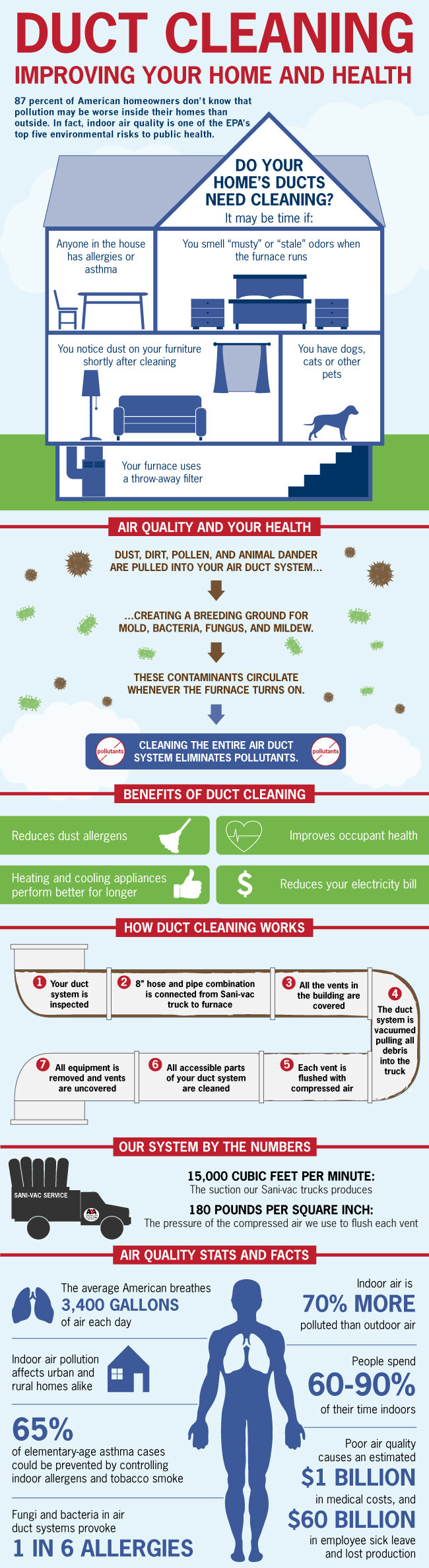
According to the EPA, indoor air can be 2–5 times more polluted than outdoor air, especially when dust, allergens, and buildup are trapped inside your home’s systems.
👉 Source: https://www.epa.gov/indoor-air-quality-iaq
That’s where this conversation really matters.
Air Duct Cleaning: What It Is (and What It Isn’t)
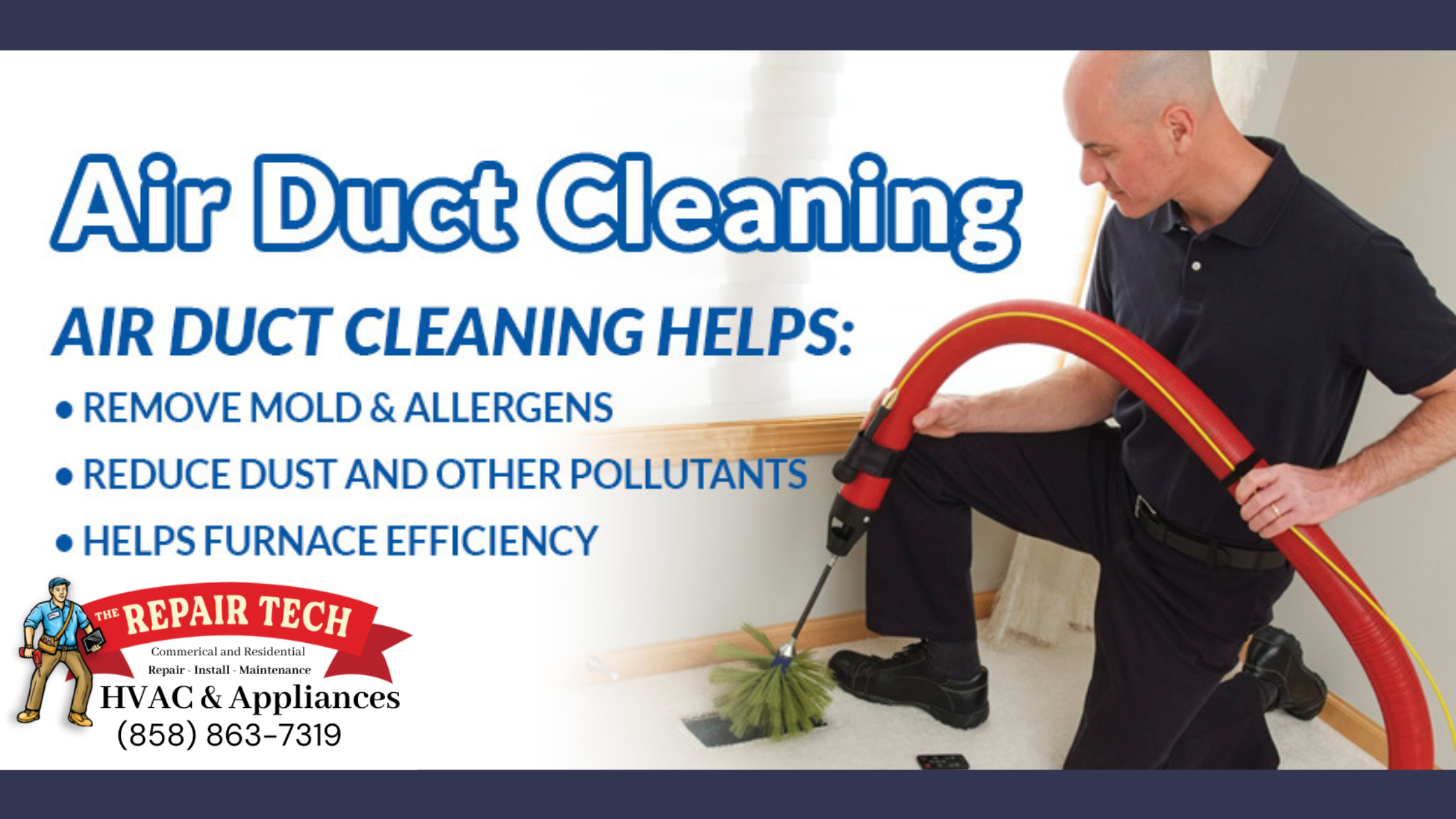
Air duct cleaning focuses on the ductwork that carries heated or cooled air throughout your home.
Over time, ducts can collect:
-
dust
-
pet dander
-
pollen
-
construction debris
-
mold spores (in some cases)
When that buildup gets disturbed — during cleaning, seasonal system changes, or heavy system use — it can get pushed right back into your living space.
This is especially important for:
-
families with asthma
-
allergy sufferers
-
children with eczema or respiratory sensitivities
-
homes with pets
-
homes that have undergone renovations
The EPA explains that duct cleaning may be beneficial when there is visible dust buildup, mold growth, or excessive debris — but it should never be a scare tactic or routine upsell.
👉 Source: https://www.epa.gov/indoor-air-quality-iaq/should-you-have-air-ducts-your-home-cleaned
Key takeaway:
Air duct cleaning is about air quality and respiratory health, not cosmetic cleaning.
Dryer Vent Cleaning: A Totally Different (and Critical) Job
Now let’s talk about dryer vent cleaning, because this one is often misunderstood — and honestly, underestimated.
Your dryer vent removes hot air, moisture, and lint from your dryer to the outside of your home. Over time, lint builds up inside that vent line.
Why does that matter?
Because lint is highly flammable.
According to the U.S. Fire Administration, nearly 3,000 home dryer fires happen every year, and failure to clean dryer vents is the leading cause.
👉 Source: https://www.usfa.fema.gov/prevention/home-fires/prevent-fires/dryer.html
Signs your dryer vent needs attention:
-
clothes taking longer to dry
-
dryer feeling hot to the touch
-
burning or musty smells
-
excess lint behind or around the dryer
Key takeaway:
Dryer vent cleaning is about fire prevention and appliance efficiency, not air quality.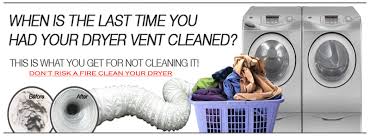
Why These Two Services Are Not the Same
This is where confusion causes problems.
-
Air duct cleaning → affects what you breathe
-
Dryer vent cleaning → affects how safely your dryer operates
They serve different systems, solve different problems, and protect your home in different ways.
Doing one does not replace the other.
When Dust Hits Different (Especially for Families Like Ours)
That pre-spring clean we did? It was a reminder I didn’t need — but one I’m glad we caught early.
For families dealing with asthma, allergies, or skin sensitivities, dust isn’t just annoying. It’s a trigger.
The CDC notes that dust mites and airborne allergens can worsen asthma symptoms and irritate skin conditions like eczema.
👉 Source: https://www.cdc.gov/asthma/triggers.html
If spring cleaning leaves you sneezing instead of refreshed, your home may be telling you something.
So… What Is Your Home Hiding?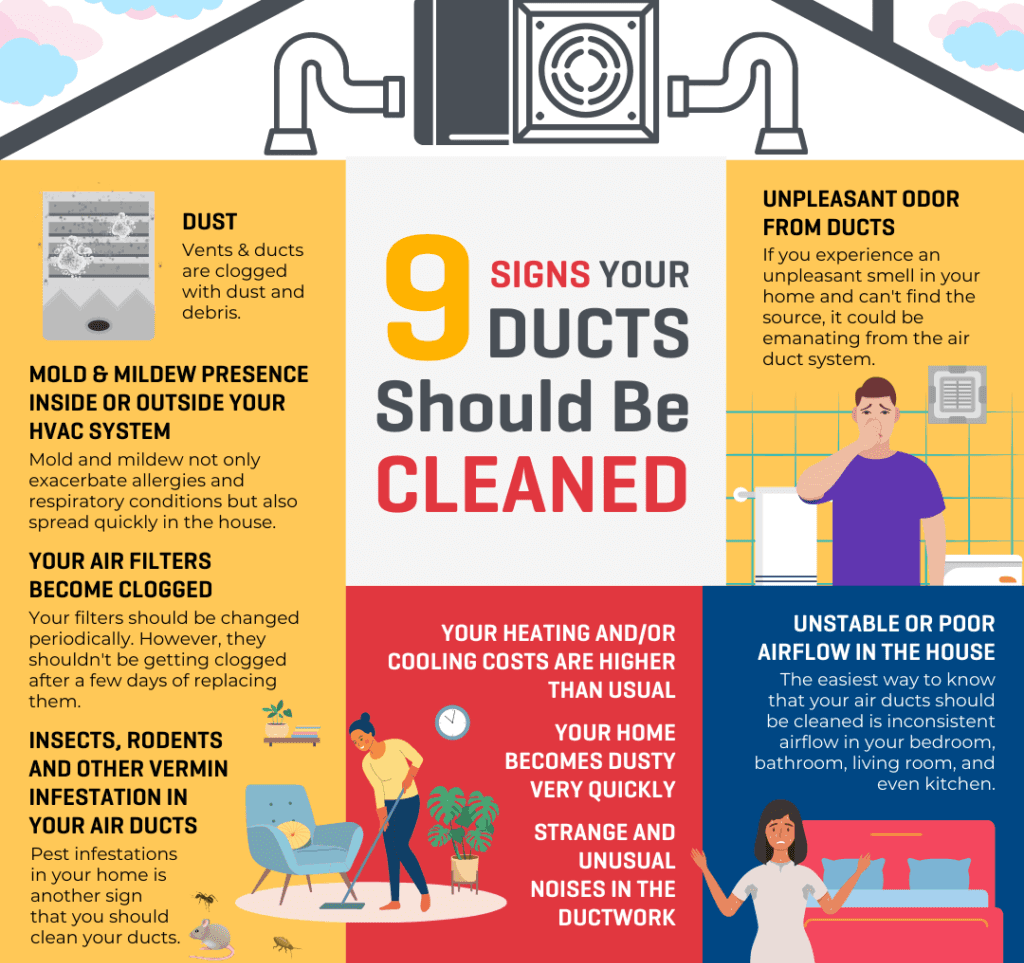
Spring is coming. Windows will open. Systems will run differently. Allergens will rise.
Now is the calm-before-the-storm moment to ask:
-
When was the last time my ducts were checked?
-
Is my dryer vent actually clear?
-
Could hidden buildup be affecting my family’s health or safety?
This isn’t about fear.
It’s about awareness, education, and prevention.
And that’s how we approach every home we walk into.
Final Thought
Spring cleaning shouldn’t make you sick.
Your home should support your family — not stress their bodies.
Sometimes the most important cleaning happens behind the walls and inside the systems you trust every day.
If you’re unsure what your home needs, that’s okay.
Asking the question is the first step.
✨ Andreina Leal-Carrillo
CEO • Mom • Community Advocate
The Repair Tech Inc.
📸 See our favorite moments from this season:
www.TheRepairTech.net/gallery
📅 Want to talk through what your home might need this spring?
Reach out at Mail@TheRepairTech.net